



Introduction:
Orange juice holds deep cultural, nutritional, and emotional significance, remaining a staple in daily routines for decades. Its vibrant color and familiar taste uplift the senses and foster connections across cultures, while the scent of freshly squeezed oranges evokes feelings of freshness and natural goodness. Enjoyed on various occasions—hot days, breakfasts, post-workouts, or as a comforting evening drink—orange juice’s appeal lies in its simplicity of preparation.
Beyond its refreshing qualities, it also has a rich history and a strong presence in modern nutrition. Accessibility is another key factor; iti can be easily purchased, made at home, or served in restaurants, making it a universally beloved choice. Its reliability and natural flavor reassure consumers, and as lifestyles become busier, it serves as a quick source of hydration and nutrients without the need for extensive preparation, contributing to its enduring popularity.
Table of Contents
What Is Orange Juice?
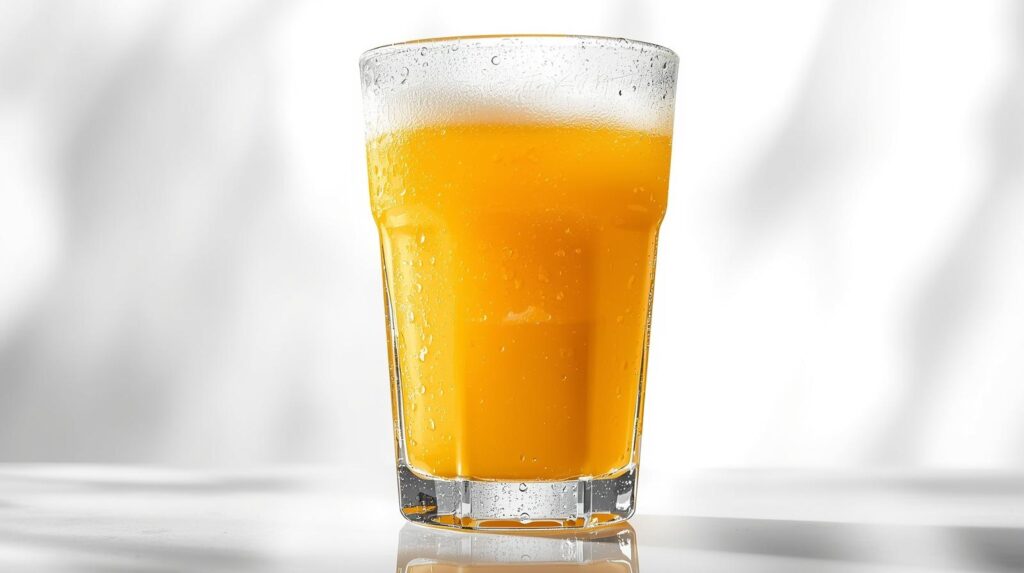
Orange juice is a liquid extracted from various orange varieties like Valencia and Navel, produced through pressing the fruit. It retains the natural liquid of the fruit and may contain pulp. Its characteristics differ based on orange type, ripeness, and extraction methods, with freshly squeezed juice recognized for its authentic taste and nutrients, unlike pasteurized or concentrated versions.
Orange juice symbolizes freshness, nourishment, and is integral to daily routines, signifying health and comfort within beverage culture, while preserving its connection to natural origins.
The History of Orange Juice
Orange juice has a rich history influenced by agriculture, culture, and changing lifestyles, originally consumed in small communities for refreshment and healing. With expanded trade routes, oranges spread globally, enhancing their medicinal reputation. Families began squeezing oranges to create a drink that captured the fruit’s essence, leading to a cultural tradition. In contemporary times, advancements in food preservation and distribution have turned orange juice into a staple beverage, symbolizing continuity, wellness, and global connection.
Early Use of Oranges in Ancient Cultures
Oranges were once considered luxurious fruits, valued for their sweetness and rarity. Ancient communities used them for celebrations, rituals, and remedies meant to restore energy and health. The early extraction of the juice of an orange was done manually, often during special occasions. As cultivation spread, the fruit became more accessible, allowing this juice to evolve from a luxury drink into a common household refreshment. These early traditions formed the foundation of orange juice culture.
The Rise of Orange Juice in Modern Daily Life
With advancements in farming and refrigeration, it began appearing on more breakfast tables. Marketing campaigns emphasized purity, vitality, and the natural health benefits of citrus fruits. Eventually, it gained international popularity, becoming one of the world’s preferred fruit-based drinks. Its rise reflects how natural beverages can shape culture and lifestyle.
Health Benefits of Orange Juice
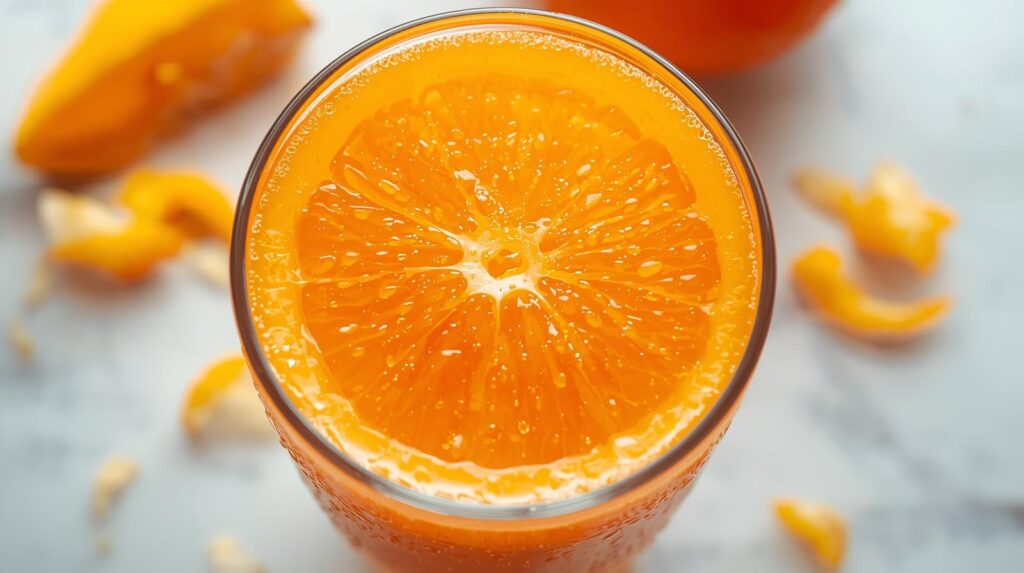
Orange juice continues to attract global attention because of its natural nutritional profile. Many people rely on orange juice for hydration, immunity support, and overall well-being. The drink holds a strong reputation for delivering essential nutrients through a taste that feels refreshing and enjoyable. The health benefits of this juice are supported by vitamins, antioxidants, and natural compounds the fruit produces to protect itself. These benefits carry over into human health when consumed in moderation, making orange juice an important wellness staple.
For Immune Support
Vitamin C in the juice of an orange helps strengthen natural defenses. It supports the body’s ability to fight seasonal changes, environmental stress, and daily fatigue. The refreshing quality of this juice makes this health benefit enjoyable rather than routine. Many people begin their day with orange juice because it offers both nutrition and a sense of renewal.
For Hydration
The juice of an orange provides natural hydration thanks to its water content, electrolytes, and refreshing acidity. The small amount of natural sugars helps replenish energy quickly, making it useful after exercise or activity. Its hydrating effect is one of the reasons it remains a dependable part of wellness routines.
The Emotional Appeal of Orange Juice
Orange juice is not just consumed for taste or health; it holds emotional depth that connects to memory, comfort, and personal rituals. Many people relate orange juice to childhood breakfasts, vacations, family traditions, or simple moments of calm. Its aroma alone can trigger feelings of warmth and familiarity. This emotional appeal plays a significant role in why orange juice has remained popular across generations.
As Morning Rituals
For many families, orange juice represents the start of a new day. The act of pouring a glass creates a moment of intention, signaling energy and readiness. The bright color symbolizes positivity, while the scent awakens the senses. Morning routines feel incomplete without the simple pleasure of orange juice accompanying a meal or conversation.
As a Comfort Drink
Duringduring stressful days or when someone needs a quick uplifting moment, it naturally provides comfort. The mix of sweetness and acidity triggers pleasant sensory reactions. unlike heavy snacks or complex drinks, orange juice gives emotional comfort without effort or preparation.
Types of Orange Juice Available Today
The world of orange juice has expanded into multiple varieties that suit different preferences, lifestyles, and nutritional needs. Each type of orange juice offers a distinct experience, showing how adaptable and diverse this simple beverage has become. The range allows consumers to choose based on flavor, pulp level, freshness, or convenience.
Freshly Squeezed Orange Juice
This orange juice, obtained directly from the fruit, offers a pure flavor and natural nutrition without preservatives, added sugars, or artificial ingredients. It retains active enzymes and phytonutrients but has a shorter shelf life, making it attractive to those seeking a clean beverage linked to luxury and wellness.
Cold-Pressed Orange Juice
Cold-pressed juice is produced using hydraulic pressure, which preserves nutrients, enzymes, and antioxidants by avoiding heat and oxidation. This method minimizes nutrient loss and maintains vitamin integrity, contributing to its popularity in wellness communities. Known for its vibrant flavor, it is commonly found in detox programs and plant-based diets. Despite higher costs and the need for refrigeration, its nutritional advantages attract consumers interested in premium beverages.
Store-Bought Orange Juice
Store-bought orange juice is pasteurized for safety and extended shelf life, and often fortified with calcium, vitamin D, and additional vitamin C to enhance nutritional value. Although pasteurization may slightly alter flavor, it effectively removes harmful microorganisms. Various options, such as pulp-free and low-sugar, meet different consumer preferences, making it a staple for hydration and nutrients.
Orange Juice in Cooking and Cuisine
Orange juice plays a meaningful role beyond drinking. It is used in thousands of recipes worldwide, adding natural acidity, sweetness, fragrance, and color to dishes. Chefs appreciate its versatility because it enhances flavor while providing a clean, refreshing finish.
Orange Juice in Marinades and Sauces
The orange juice is an effective natural meat tenderizer and flavor enhancer, softening chicken fibers for better flavor absorption. Commonly used in marinades with herbs, spices, and oils, its acidity enriches and balances flavors in sauces and glazes for both meat and plant-based dishes, adding a healthy tang.
Orange Juice in Desserts and Baking
Cakes, muffins, pies, and pastries are enhanced by orange juice, which adds moisture, a light texture, and a citrus flavor. It pairs well with vanilla, chocolate, cinnamon, almonds, and honey, uplifting refreshing dessert profiles. The juice’s acidity balances sweetness and activates baking soda, improving rise and texture, while contributing a golden warmth from caramelized sugars.
The Sensory Experience of Orange Juice
The sensory pleasure of drinking orange juice is one of the reasons it remains timeless. Every glass delivers a multi-layered experience involving sight, smell, taste, and texture. These elements combine to create an emotional and physical response that people naturally enjoy.
Color and Appearance
The vibrant golden-orange hue of orange juice represents vibrancy, well-being, and vitality, which conjures feelings of freshness and positivity. It is a measure of the maturity of an orange and the quality of juice to be obtained ( fresher ones have darker color which indicates juicier). Also, light shining through the juice makes for a lovely beverage.
Flavor and Texture
Juice is a delightful blend of sweetness and acidity, thanks to its natural sugars and a touch of tartness. The texture can range from smooth to pulpy, which really shapes how we enjoy it. Different types, like Valencia, Navel, and Blood Orange, each bring their own unique flavors to the table. Plus, the temperature at which you serve juice can really change the experience; chilled juice has that refreshing crispness, while warm juice tends to bring out more of the aromas.
Sustainability and Orange Juice Production
Today’s orange juice production is all about being mindful of the environment. More and more consumers are interested in how their oranges are grown, harvested, and processed. Embracing sustainable farming practices not only helps protect our land, water, and biodiversity but also ensures that the quality of the fruit remains high.
Eco-Friendly Farming Methods
Many orange farms are starting to embrace practices like cutting back on pesticides, using drip irrigation, and nurturing the soil in a more natural way to boost sustainability. These methods not only produce healthier fruit but also reduce their impact on the environment. They help maintain long-term soil health, save precious water resources, protect local ecosystems, and promote cleaner farming techniques that benefit both communities and our planet.
Responsible Packaging
Brands are increasingly opting for recyclable bottles, eco-friendly cartons, and minimalist packaging. This shift not only helps reduce waste but also aligns orange juice production with a strong commitment to environmental responsibility. It plays a role in cutting down carbon emissions, raising consumer awareness, supporting sustainable supply chains, and ensuring that packaging materials can be reused or safely processed for a greener future.
My Thoughts on Orange Juice
Orange juice is more than just a drink; it’s a delightful mix of refreshment, nutrition, and a little boost for the soul. It perfectly balances great taste with health perks, making it a favorite for everyone from kids to seniors. Whether you’re looking for something quick, nutritious, or just plain enjoyable, it fits right in.
There’s nothing quite like the freshness of a glass of freshly squeezed juice, especially in the morning, when it brings a sense of renewal and comfort. Plus, it’s incredibly versatile—great in smoothies, fruit dishes, and even savory meals, thanks to its natural sweetness and acidity. In the end, orange juice captures the essence of nature and human emotion, making it a cherished part of our daily lives.
Conclusion

Orange juice is so much more than just a drink—it embodies freshness, vitality, and nourishment. Its role in global culture keeps expanding, thanks to its timeless charm and unbeatable flavor. With a rich nutritional profile and a comforting emotional touch, it has become a staple in our daily lives. It refreshes, energizes, and brightens our routines, making it a beverage truly worth savoring. As our lifestyles change, it remains relevant, adaptable, and cherished.
The world may be in constant flux, but the simple pleasure of enjoying a glass of orange juice is one of the most reliable and uplifting experiences we can have. With its delightful taste, health perks, and emotional ties, it is a drink that celebrates nature and enriches our human experience with every sip.
FAQs:
What is orange juice, and how is it typically produced?
It is created by extracting liquid from ripe citrus fruit, then filtering and packaging it carefully to preserve freshness, nutrients, flavor, aroma, and quality.
Is this beverage considered a healthy daily option?
It can be healthy when consumed moderately, offering vitamins and antioxidants, while natural sugars make portion control important for balanced nutritional habits daily.
Does this drink usually contain added sugars or sweeteners?
Pure versions contain no added sugar, but some commercial products include sweeteners, making label reading essential for informed and healthier purchasing decisions.
How should this beverage be stored after opening?
It must remain refrigerated, sealed tightly, and protected from temperature changes to maintain freshness, preserve nutrients, and prevent spoilage throughout storage.
How long does it stay fresh once opened?
It typically stays fresh for several days depending on refrigeration consistency, packaging type, and exposure to air or potential contamination sources.
Can this drink be safely frozen for later use?
Yes, freezing preserves flavor and nutrients effectively, although slight texture changes may occur after thawing, depending on processing and storage conditions.
Is this beverage suitable for young children?
Yes, but small portions are recommended due to acidity and sugar content, helping protect dental health and maintain balanced childhood dietary habits.
What nutrients are naturally present in this type of drink?
It commonly provides vitamin C, potassium, folate, and antioxidants that support immune function, hydration, and overall wellness when consumed in moderation.
Can drinking this beverage support the immune system?
Its vitamin content may contribute to stronger immune responses, though overall immunity also depends on diet, hydration, rest, and healthy lifestyle habits.
Is this beverage recommended for people with acid reflux issues?
Its acidity may trigger symptoms, so individuals with reflux should observe reactions carefully and adjust intake according to personal comfort and tolerance.
Does this drink contribute to daily hydration needs?
It aids hydration but should not replace water, ensuring proper electrolyte balance and supporting essential bodily functions throughout the entire day.
What distinguishes fresh-squeezed varieties from processed options?
Fresh-squeezed versions undergo minimal handling, while processed products are pasteurized and standardized for safety, consistency, extended shelf life, and convenience.
Is this beverage considered vegan-friendly?
It is typically vegan, though fortified or enhanced varieties may include additives requiring label checks to ensure compatibility with strict vegan guidelines.
Can this drink interact with prescription medications?
Some citrus-based beverages may affect medication absorption, making professional medical guidance important for individuals taking specific long-term or delicate treatments.
Is this beverage naturally gluten-free?
Yes, it naturally contains no gluten, making it safe for those with celiac disease when produced without cross-contamination during manufacturing processes.
Can this drink be used in cooking or baking recipes?
It enhances marinades, sauces, glazes, and desserts by adding acidity, sweetness, and aromatic depth that elevate both savory dishes and baked creations.
How much of this beverage should adults consume daily?
Moderation is ideal, with small servings supporting nutrition while preventing excessive sugar intake, aligning with long-term healthy dietary recommendations and habits.
Is this drink considered high in calories compared to others?
It contains natural sugars contributing to noticeable calories, so mindful consumption is important for individuals monitoring weight or daily carbohydrate intake.
When is the best time to enjoy this beverage?
Many prefer it in the morning for freshness and energy, although it can be consumed anytime based on personal lifestyle, mood, or routine.
Are there multiple varieties of this beverage available in stores?
Yes, options include pulp-free, high-pulp, fortified, organic, and freshly pressed versions, each offering unique flavors, textures, and nutritional characteristics.
