


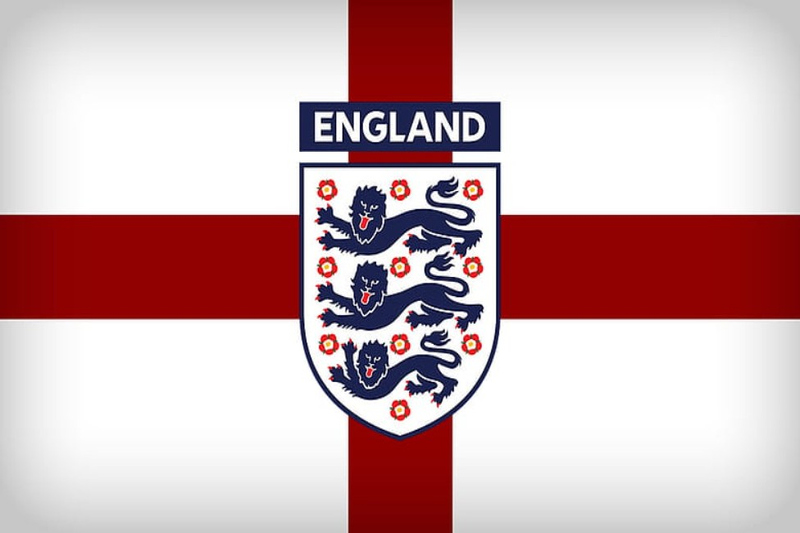
Discover the full story of the England football badge — its royal origins, symbolic lions, roses, and how it became one of the most iconic emblems in world football.
Table of Contents
🏁 SUMMARY
The England football badge, featuring three lions and ten Tudor roses, is more than just a logo — it’s a proud symbol of English heritage, unity, and national pride. From its medieval roots in royal heraldry to modern-day updates seen on the kits of Harry Kane and Bukayo Saka, the badge has evolved while keeping its historical essence intact. This article explores its origins, symbolism, design evolution, and cultural impact — showing why the badge continues to inspire millions of fans worldwide.
⚽ Introduction: More Than Just a Logo
When England’s national football team walks onto the pitch, they wear more than a shirt — they wear centuries of history and identity. The England football badge, instantly recognizable with its three lions passant guardant and red Tudor roses, has become one of the most iconic emblems in global sport.
But few fans truly know the deep historical and cultural meaning behind this emblem. Where did the lions come from? Why are there ten roses? And how has the badge evolved through the ages? Let’s dive into the fascinating journey of the England football badge.
🦁 The Origins: Royal Heraldry and the Three Lions
The story of the badge begins long before football existed.
- The three lions date back to the 12th century, during the reign of King Richard I, known as Richard the Lionheart (1189–1199).
- His royal coat of arms featured three golden lions on a red background, symbolizing courage, strength, and royalty.
- The lions were used as a mark of English kings and later appeared on national emblems, military flags, and official seals.
When the Football Association (FA) was founded in 1863, it naturally drew inspiration from England’s royal arms. Thus, the Three Lions emblem became the proud symbol of the national football team.
🌹 The Addition of the Ten Tudor Roses
The ten red Tudor roses that surround the lions are equally symbolic.
- The Tudor rose is England’s national floral emblem, representing the unity of the Houses of Lancaster and York after the War of the Roses (15th century).
- The ten roses represent the ten regions of England that were active in football’s early administration under the FA.
- Together, the lions and roses blend royal heritage with regional unity, making the badge both national and inclusive.
👕 Evolution of the Badge Through the Years
The England football badge has gone through several design changes, adapting to modern tastes while preserving its identity.
1. The Early Years (1872–1949)
The earliest badge used during England’s first official match in 1872 was simple — three blue lions on a white background with red roses. The design was directly borrowed from the Royal Arms of England.
2. The Mid-Century Modernization (1950s–1960s)
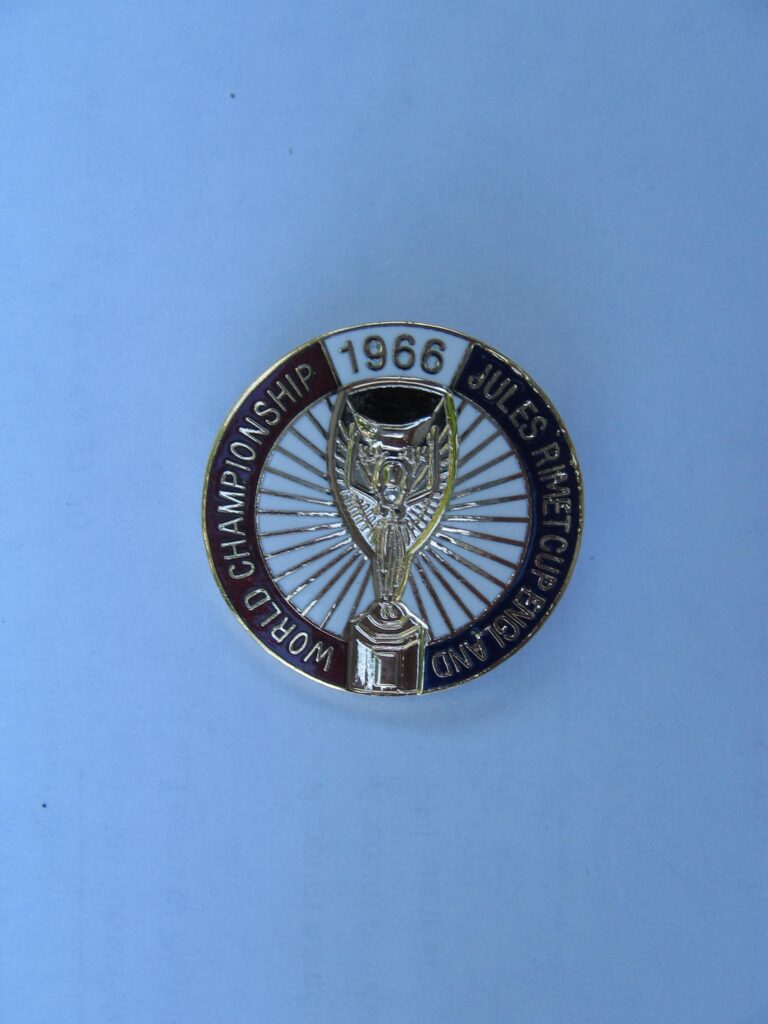
By the 1950s, the badge became more stylized, appearing on the famous white kits of the national team. It gained fame after England’s 1966 World Cup triumph, when captain Bobby Moore lifted the trophy wearing the three lions proudly.
3. The Minimalist Era (1980s–1990s)
As kit manufacturers like Umbro and Admiral took over, the badge saw cleaner outlines and sharper details. The shield shape became more prominent, emphasizing simplicity and professionalism.
4. The Contemporary Look (2000s–Present)
The current version, refined by Nike, features:
- Three sleek blue lions with red tongues and claws
- Ten red Tudor roses
- A white background framed in blue
The badge now symbolizes both tradition and modernity, fitting the image of a globally competitive football nation.
🧭 Symbolism Behind the Badge
Every element of the England football badge carries a deeper meaning:
| Element | Meaning |
|---|---|
| Three Lions | Courage, strength, royal authority |
| Ten Tudor Roses | Unity of the English regions |
| White Background | Peace and purity |
| Blue Lions | Loyalty and bravery |
| Red Tongues/Claws | Valor and passion for the game |
Together, these symbols represent the fighting spirit, unity, and honor that define English football.
🏆 Cultural and Emotional Significance
The badge is more than decoration — it’s a national icon.
When players wear it over their hearts, it becomes a symbol of national pride. For fans, it’s a mark of loyalty, representing generations of joy, heartbreak, and hope.
- It appears on kits, merchandise, and tattoos, and is often chanted in the famous song “Three Lions (Football’s Coming Home)”.
- The badge connects football with English identity, bridging royal history with modern sports culture.
Whether displayed on the 1966 World Cup shirt or the Euro 2024 jersey, the emblem tells a timeless story of heritage, pride, and resilience.
🧵 Design in Modern Football Culture
In today’s digital and marketing-driven era, the badge has also evolved into a brand identity:
- Used on merchandise ranging from shirts to mugs and posters
- Integrated into digital logos, social media, and fan graphics
- Recognized instantly across the world — even beyond football circles
Its classic yet modern design helps maintain brand consistency while staying true to English tradition.
💭 My Thoughts
The England football badge is arguably the most elegant and meaningful emblem in international football. Unlike many modern designs that chase trends, it remains rooted in history.
Each lion reminds us of courage, each rose speaks of unity, and together they embody the heart of English football — proud, passionate, and persistent.
Whether England wins or loses, that badge remains a timeless reminder of national spirit — uniting millions every time the anthem plays and the players take the field.
🏁A Badge Beyond Time
From royal crests to football kits, the England football badge has carried the nation’s story for over 800 years. It’s more than a design — it’s a symbol of heritage, courage, and togetherness.
The next time you see those three lions and ten roses, remember — you’re not just looking at a sports emblem. You’re seeing the beating heart of English football — a legacy of pride that will roar for generations to come.
