


🏈 Mastering Flag Football Plays: A Complete Guide to Strategy, Skill, and Winning Tactics
Introduction:
Learn the best flag football plays for offense and defense! Discover detailed strategies, formations, and pro tips to help your team dominate every game — whether you’re a beginner or seasoned player.
Table of Contents
🏁 Introduction: What Makes Flag Football So Exciting
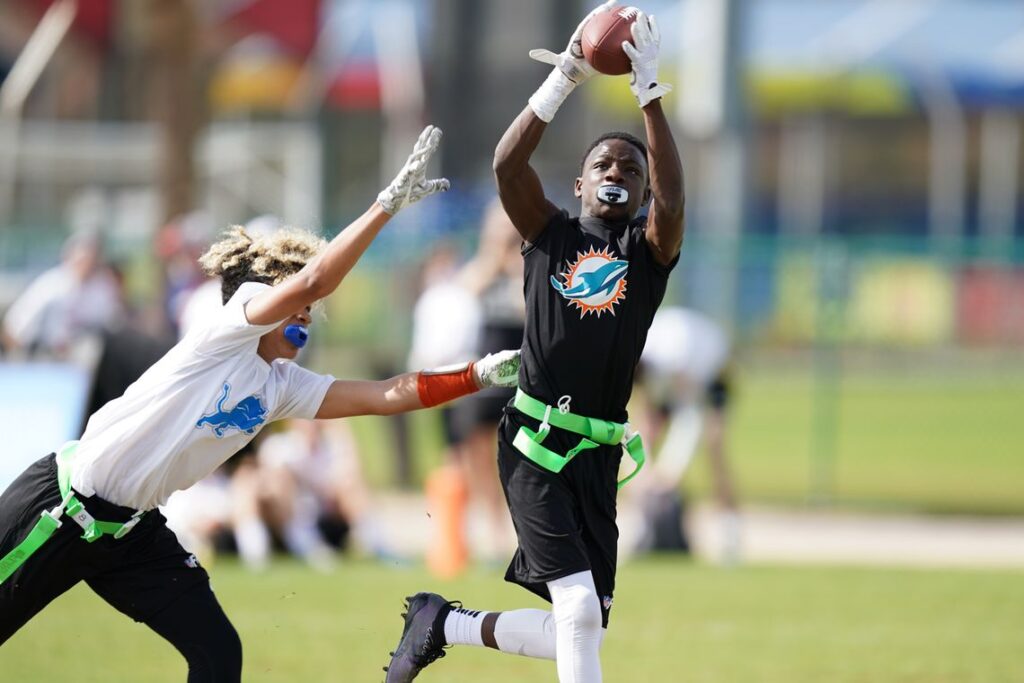
Flag football is one of the fastest-growing sports around the world. It’s a non-contact version of American football, where instead of tackling opponents, players pull flags attached to the ball carrier’s waist. But don’t let the “non-contact” label fool you — the game is full of speed, creativity, and strategy.
Flag football requires smart play designs rather than brute strength. Whether you’re leading an offensive drive or stopping a scoring attempt on defense, understanding the right plays is the key to success.
This guide will walk you through the best flag football plays, including offensive setups, defensive schemes, and expert tips to outsmart your opponents.
🧠 Understanding the Basics of Flag Football Plays
Before diving into plays, you should know how flag football differs from tackle football:
- No tackling — flags must be pulled to stop a play.
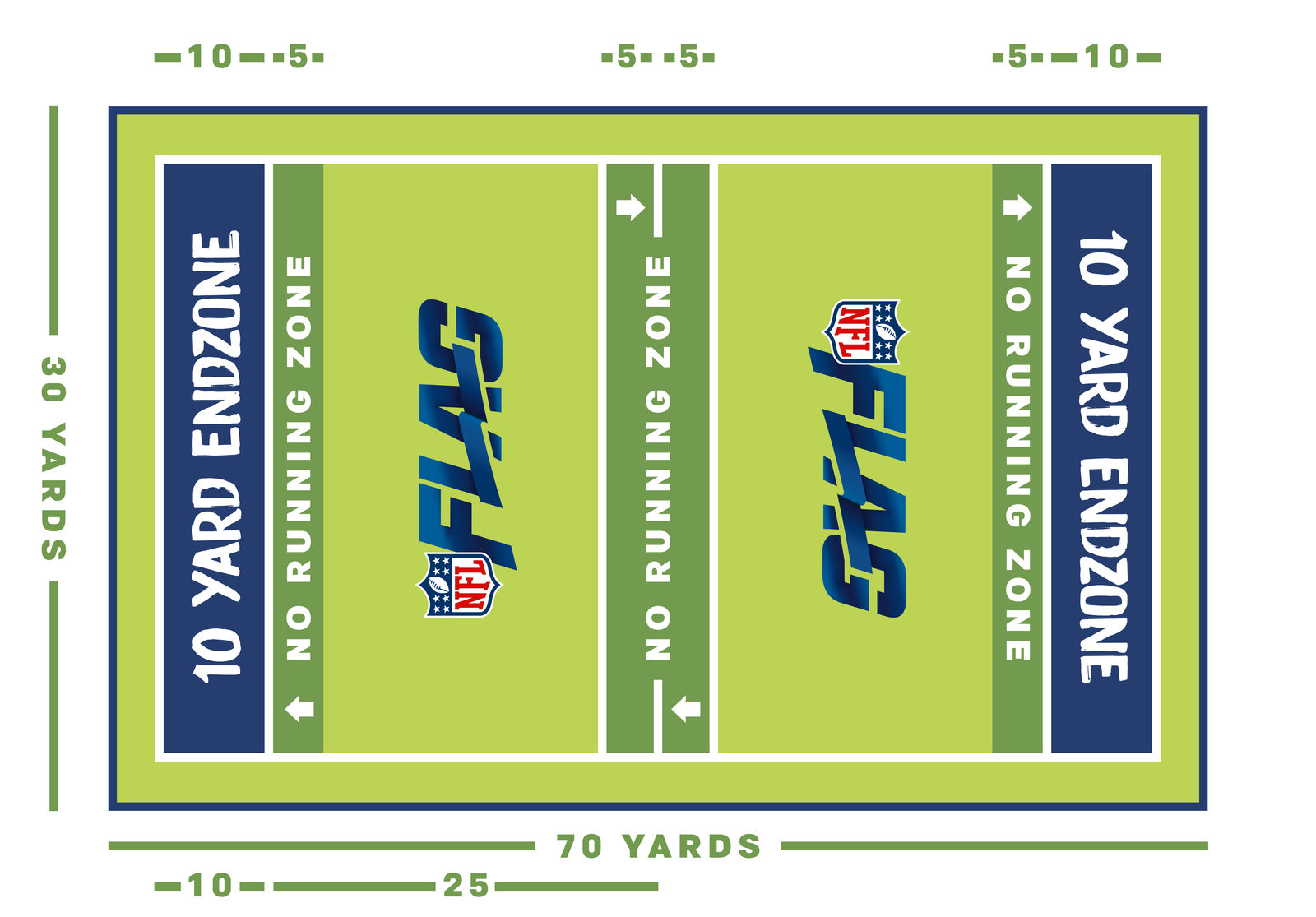
- Smaller field size (often 60–80 yards long).
- Fewer players (commonly 5-on-5 or 7-on-7).
- Shorter play clocks and faster pace.
Because of these rules, flag football plays focus more on speed, quick passes, and space creation rather than power.
⚙️ Offensive Flag Football Plays
Offense is where strategy truly shines. The goal is to spread the defense, create mismatches, and find open receivers. Here are some classic and creative offensive plays that work for all levels.
🟩 1. The Slant Route
Formation: 3 receivers – left, center, right
How It Works:
- The outside receiver runs a quick slant across the field at a 45° angle.
- The slot receiver runs a short out route, pulling defenders away.
- The quarterback throws a quick pass to the slanting receiver for a short gain that can turn into big yards.
Why It Works:
It’s quick, effective, and perfect against tight defenses. The slant is ideal for short-yardage gains and high-percentage completions.
2. The Center Sneak
Formation: Trips (three receivers on one side)
How It Works:
- After the snap, the center fakes a block and runs a short route up the middle.
- The QB fakes a pass to the side receivers, then quickly tosses the ball to the center.
Why It Works:
The defense often ignores the center, expecting them to block — which makes this a perfect surprise play for gaining 5–10 easy yards.
🟩 3. Double Cross
Formation: Two wide receivers, one slot receiver
How It Works:
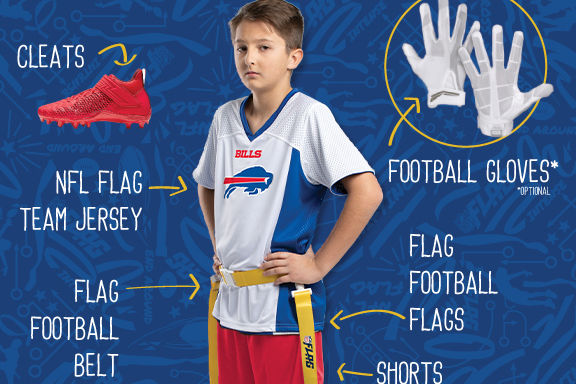
- Both outside receivers run crossing routes across the middle.
- The slot receiver runs deep to clear space.
- The QB looks for whichever crosser loses their defender.
Why It Works:
Crossing routes confuse defenders and often create open lanes against man coverage.
🟩 4. Hook and Ladder
Formation: Two receivers on the right
How It Works:
- The first receiver runs a 10-yard curl and catches the ball.
- Immediately after catching, they lateral the ball to a teammate sprinting behind.
Why It Works:
It’s a trick play that can catch defenders off guard and turn short gains into long touchdowns.
5. QB Rollout Option
Formation: Balanced (two receivers each side)
How It Works:
- The QB rolls right with two route options: a short out and a deep corner.
- The QB reads the defense and throws to whichever receiver is open — or can run if no one’s free.
Why It Works:
It gives the QB multiple options and creates movement that’s hard for defenses to predict.
🛡️ Defensive Flag Football Plays
Defense in flag football is all about anticipation, spacing, and communication. Since you can’t tackle, players must rely on smart positioning and teamwork to stop drives.
🔵 1. Zone Defense (2–1–2 or 3–2 Formation)
How It Works:
Each defender guards a specific zone rather than a player.
- 2 deep safeties protect against long passes.
- 1 linebacker controls the middle.
- 2 corners guard the short sidelines.
Why It Works:
This setup prevents deep passes and limits big plays. It’s perfect for defending fast offenses.
🔵 2. Man-to-Man Defense
How It Works:
Each defender covers one offensive player throughout the play.
The goal is to stay close and pull the flag immediately after a catch.
Why It Works:
It pressures the offense into making quick decisions — ideal against teams that rely on timing routes.
🔵 3. Blitz Package
How It Works:
Send one or two defenders rushing the quarterback, while others cover the receivers.
- Only use when the defense is allowed to rush after a short count.
Why It Works:
A sudden blitz can force bad throws or quick decisions, leading to interceptions.
🔵 4. Hybrid Defense
How It Works:
Mix zone and man coverage — e.g., corners play man, safeties play zone.
This confuses quarterbacks and hides your true setup before the snap.
Why It Works:
It gives flexibility and makes your defense less predictable.
🧩 Flag Football Play Diagrams (Simple Examples)
(You can draw these or use playbook apps for your team.)
Example 1 – “Double Cross” Play Diagram:
WR1  → cross (right to left)
WR2  → cross (left to right)
Slot → deep route
QB   → short drop and pass to open crosser
Example 2 – “Zone Defense 2–1–2” Setup:
C1       S1        S2       C2
           L1 (middle linebacker)
These diagrams are simple, but even slight variations in angles and timing can create big results on the field.
💡 Tips for Creating Your Own Plays
- Know your players’ strengths: Use speedsters for deep routes and accurate players for quick passes.
- Keep it simple: Complex plays often fail under pressure. Focus on clear, easy routes.
- Use motion: Move players before the snap to confuse defenders.
- Communicate: Quick, clear signals help keep everyone on the same page.
- Watch the defense: Adjust your plays based on what coverage the defense shows.
🏆 Conclusion: Smart Plays Win Games
Flag football is more than just running and passing — it’s a game of brains and teamwork. The best teams are the ones that master simple, strategic plays and execute them perfectly.
Whether you’re playing in a youth league, college game, or weekend tournament, understanding offensive and defensive flag football plays will elevate your team’s performance.
So get creative, practice your timing, and remember — in flag football, a well-designed play can be your biggest weapon.
Would you like me to add a printable playbook (PDF) with diagrams for 5 offensive and 5 defensive flag football plays?
It would be perfect for coaches or website visitors to download and use.

1 Comment
Pingback: The Story Behind the England Football Badge: History, Meaning & Evolution - akuduh.net